AccaMate logo

News Hub

Latest Sports Stories

'Another hard luck story' - Scotland at Italia 90 World Cup

World Cup News

'Another hard luck story' - Scotland at Italia 90 World Cup

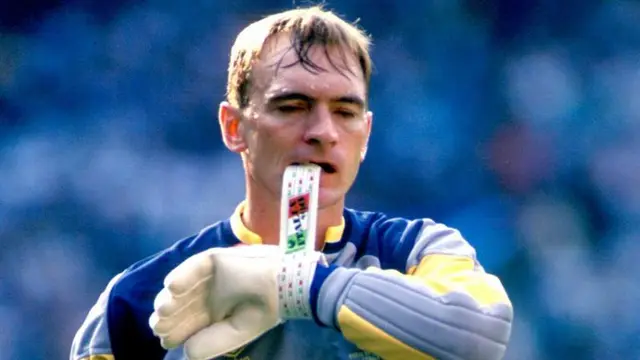
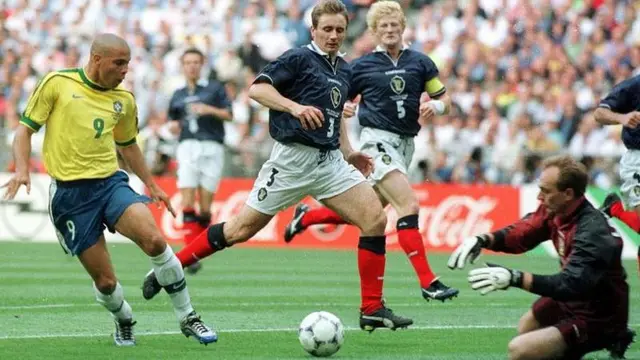
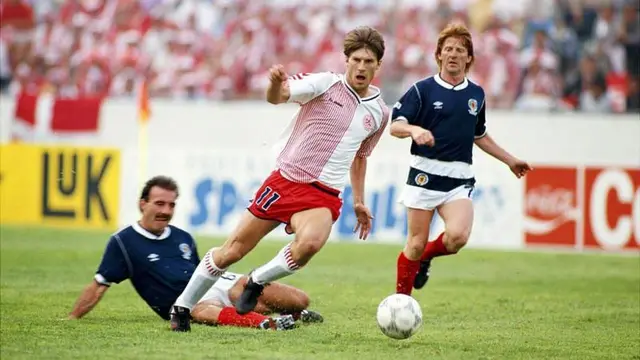
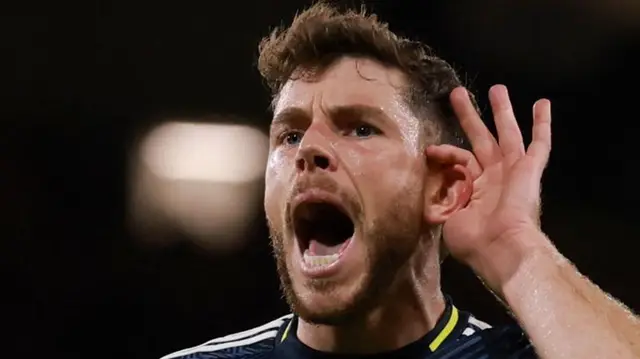
Luciano Pavarotti provided the most dramatic of soundtracks with the aria Nessun Dorma - which translates to none shall sleep - from Giacomo Puccini's Turandot. In the opera, suitors of a princess are given three riddles to solve to win her hand. There's a catch, though - failure equals death. While not quite vying for a royal bride, the comparisons with the Italia 90 World Cup anthem and Scotland's campaign are clear. The riddles? How to beat Costa Rica in the opening match and how to get enough points from subsequent games against Sweden and Brazil to qualify for the knockout stage. In a welcome plot twist, even a third-placed finish might be enough. Surely a happy ending would befall the Scots this time? Instead, they made their mark with gusto, Juan Arnoldo Cayasso's goal early in the second half the only one of the game. "This touches a raw nerve," 1990 Scotland head coach Andy Roxburgh told BBC Scotland. "Their coach, Bora Milutinovic, has become a good friend of mine. He said to me, 'You hadn't a clue what we would do'. They played a lot of closed-door matches and practised tactics endlessly. He knew everything about us because all our warm-up matches were on public display. "We could have won 3-1 or 4-1. Maurice Johnston had a couple of chances that normally would have ended up in the back of the net.'' Johnston, though, was thwarted by Costa Rica goalkeeper Luis Gabelo Conejo. Former Scotland midfielder Stuart McCall recalled: "There was an old story that we'd found out that they had a really small goalkeeper, hence we started with big Alan McInally up front and put in loads of high balls. But he was 6ft 3in and outstanding! Plucking balls out of the air in the 18-yard box." McCall also remembers being showered with Scotland scarves as he left the pitch as Tartan Army ire rained down. Roxburgh added: "I remember the next day there was a headline somewhere of 'Stop the world, we want to get off' and it was all about how I should be sacked." Roxburgh acknowledged the pressure was already building on Scotland. It was the same for Sweden, their next opponents, who had started with defeat by Brazil. The game on 16 June in Genoa was key for both teams. "On the way to the stadium, we saw a big sign, which read, 'Don't worry Andy, your P45 is in the post'. I even laughed myself," he says. "But I remember standing in the tunnel and seeing the boys standing tall, while the Swedes looked nervous. I thought, 'I'm glad I'm with the team in dark blue'." McCall agreed, adding: "I've played a couple short of 1,000 competitive matches and I genuinely believe two of those were won in the tunnel. One of them was when I was at Bradford and we beat Wimbledon to stay in the Premiership, the other was that night against Sweden. "We had Roy Aitken at the front giving it all the Braveheart stuff, Alex McLeish with his red hair and freckles, Jim Leighton and Robert Fleck had their teeth out. You looked across at the Swedes, tanned Adonises. They looked like athletes, we looked like savages the way we were shouting and bawling." The Scots struck the first blow early, McCall getting on the end of a Dave McPherson flick-on after 11 minutes. "I was always deadly from a few inches," he joked. Johnston converted from the spot to earn a 2-0 lead and Glenn Stromberg's goal four minutes from time was not enough for Scotland to come unstuck. Pride restored and the hope of qualification hauled back from the realms of a long shot. While the Swedes faced Costa Rica, Scotland lined up to play Brazil four days later in Turin. With four of the six third-placed teams making the last 16, a point would be enough. Even defeat may not be fatal. "Playing for a draw would have shown the wrong attitude," Roxburgh said. "[Aitken] had a header cleared off the line by Branco. Some people say that stirred the Brazilians up - the game had gone flat and then suddenly they realised we wanted to win." McCall added: "I remember arriving in the stadium and both buses arrived together. The Brazilians were being mobbed by all these dancing beauties and we had the Tartan Army offering us swigs of lager. "We held our own against them, though; there was nothing in the game." But, with nine minutes to play and Scotland on track for qualification, substitute Muller nudged in after goalkeeper Jim Leighton parried a shot. Minutes later, the Scots came agonisingly close to a leveller, only to be denied by a moment of brilliance. "I knocked the ball down to wee Mo and he hit it terrifically on the half volley about six or eight yards out," McCall recollected. "But Taffarel made an unbelievable save and tipped it over the bar. It was typical Scotland. Another hard luck story.'' A hard luck story with an epilogue as it turned out. All was not lost yet. With just two points from three matches, it was still possible the Scots could qualify if results in other groups went their way. That meant an agonising 24-hour wait. "We'd moved to a quiet town," McCall explained. "We had to kill time going for a walk, having a coffee then watching those games, but none of the results went our way and we were out." In true operatic style, the metaphorical Fat Lady had sung and, as far as Scotland were concerned, it was the same old song. Goalkeepers: Leighton (Aberdeen), Goram (Oldham Athletic), Gunn (Norwich City) Defenders: McLeish (Aberdeen), Aitken (Newcastle United), Gough (Rangers), Malpas (Dundee United), Gillespie (Liverpool), Levein (Heart of Midlothian), McKimmie (Aberdeen), McPherson (Heart of Midlothian) Midfielders: McStay (Celtic), Bett (Aberdeen), MacLeod (Borussia Dortmund), McCall (Everton), Collins (Hibernian), McAllister (Leicester City) Forwards: Johnston (Rangers), McCoist (Rangers), Durie (Chelsea), McInally (Bayern Munich), Fleck (Norwich City)
Source: BBC Sport WC
Fri, 12 Jun 2026
Read story
What are World Cup's red card suspension rules?

World Cup News

What are World Cup's red card suspension rules?

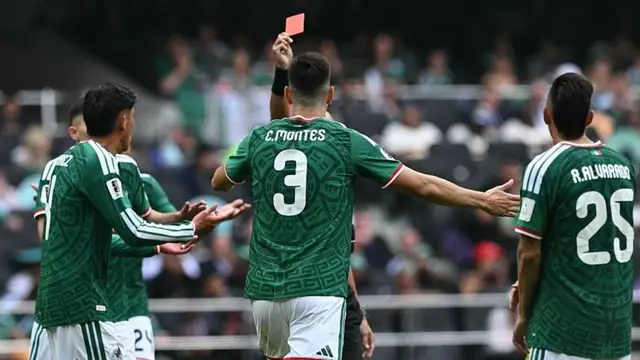
Players receiving a red card in the 2026 World Cup will receive a one-match suspension. This applies to both straight red cards and red cards that are the result of the same player being cautioned twice. During the opening game of the tournament, three red cards were shown. It means that South Africa's Sphephelo Sithole and Themba Zwane will miss their side's match against the Czech Republic, while Mexico defender Cesar Montes will miss their meeting with South Korea. Players can also receive suspensions for an accumulation across multiple matches. Should players received two bookings, they will be handed a one-match suspension. However, yellow cards are wiped following the conclusion of the group stage. They are wiped again following the conclusion of the quarter-finals. Contact formContact formPlayers who will miss next World Cup match because of red cardSphephelo Sithole (South Africa) This article is the latest from BBC Sport's Ask Me Anything team.

Source: BBC Sport WC
Fri, 12 Jun 2026
Read story
Dzeko's last dance could be Bosnia's new beginning

World Cup News

Dzeko's last dance could be Bosnia's new beginning

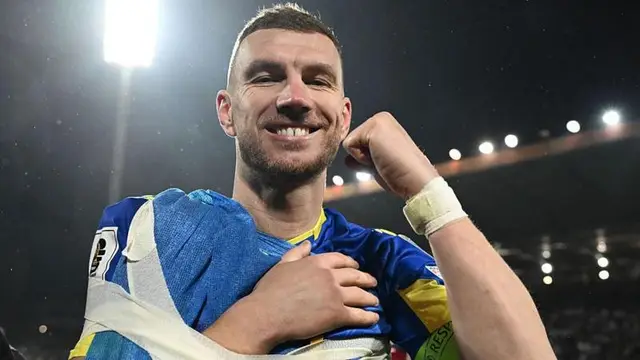
When Edin Dzeko decides the time is right to retire, the highlights reel of his career will be extensive. Two Premier League titles headline an impressive collection of honours won with the likes of Manchester City, Inter Milan and Wolfsburg. Yet the enduring image of the 40-year-old's career may prove to be an altogether more vulnerable one. Moments after Bosnia-Herzegovina had beaten Italy on penalties to qualify for only their second World Cup, Dzeko celebrated cautiously while nursing his arm in a sling. It's the kind of wear and tear you might expect for a man who for almost 20 years has carried the hopes of a nation still deeply affected by past horrors. "His career is connected to the country's own image - resilience, persistence and proving people wrong," Bosnian journalist Sasa Ibrulj says of Dzeko. Placed in a relatively even group with Canada, Switzerland and Qatar, the final chapter of Dzeko's story as a player could be the beginning of a new one for his country. His team's campaign begins against co-hosts Canada (Friday, 20:00 BST). The anatomy of a Golden Boot winner - and who could win it in 2026? Dzeko was six years old when the Bosnian War began in 1992, a conflict that cost the lives of around 80,000 fellow Bosnian Muslims. The Srebrenica Genocide perpetrated by Bosnian Serb forces was the largest massacre in Europe since the Holocaust. His family remained in Sarajevo during the near four-year siege of the city, as Serbian snipers targeted civilians including children. He moved to live with his grandparents after his parents' house was destroyed. "It was terrible," Dzeko told the Guardian. "The whole family was there, maybe 15 people all staying in an apartment about 35 metres square. It was very hard. We were stressed every day in case somebody we knew died." A young Dzeko often played on a local football pitch, but one day his mother made him stay at home; that day a shell hit the field and killed several children. After the war, Dzeko began his football journey with local club Zeljeznicar, but in his early career went largely misunderstood. He was nicknamed Kloc - local slang for lamp-post - because of his lanky appearance, and Zeljeznicar directors could not believe their luck when Czech side Teplice offered to buy him for 25,000 euros. Years later, Dzeko became the first player to score at least 50 goals in the Premier League, Bundesliga and Serie A, but he did not forget his roots amid superstardom. He has made several donations to aid renovations at Zeljeznicar, and in 2009 became Bosnia's first Unicef ambassador. "People remember that he did not come from privilege or from a powerful football system," says Ibrulj. "What makes him different is that people in Bosnia have never experienced him as distant or untouchable." Dzeko's friend, Mirza Trbonja, told AFP: "When he comes, you need a lasso to catch 10 minutes with him. When someone asks him for a photo or autograph, he never refuses." Dzeko made his international debut in 2007, and now holds the records for the most appearances (148) and most goals (73) for Bosnia. After losing to Portugal in the play-offs for both the 2010 World Cup and Euro 2012, Dzeko helped Bosnia qualify for their first major tournament since independence. The 2014 World Cup in Brazil proved to be the first and last for Bosnia's so-called golden generation, as play-off heartbreak struck again for Euro 2016, 2020 and 2024. Then, 12 years later, Bosnia overcame their play-off demons by beating Wales and then Italy on penalties having trailed to both. Ibrulj says: "2014 felt historic because it was the first generation that truly gave Bosnia international sporting legitimacy after independence. "This second qualification feels even heavier emotionally. Bosnia spent more than a decade failing to return, and over those years there was disappointment, pessimism and a growing feeling that the country had missed its moment. "For many younger supporters, this is the first team that feels like their team in the same way older generations emotionally belonged to the side of Dzeko, Miralem Pjanic and Emir Spahic." For musician Alen Dokic - who has produced a World Cup song under the alias Doppelganger - Bosnia's qualification is an example of 'Bosanski Inat', a cultural mindset of defiance and overcoming adversity. "Never forget, never forgive - this is one of the mottos that reminds us who we are, what we have been through, and how resilient we Bosnians are," says Dokic. Dokic, born in Rome to Bosnian parents, is part of a Bosnian diaspora thought to be as large as two million people. Sergej Barbarez's World Cup squad mixes experience with youth and vibrance. Seventeen of the 26 players were born outside of Bosnia & Herzegovina. "It's a unique dynamic of players growing up all over the world but coming back to represent Bosnia," says former Bosnia goalkeeper Asmir Begovic. Esmir Bajraktarevic, scorer of the penalty that sent Bosnia to the World Cup, is one such player. The 21-year-old was born and raised in Wisconsin after his parents fled Srebrenica. "That common interest, common goal, the passion of representing Bosnia plays a big role," he says. "What the country has been through, there's still lingering effects from the conflict and the past. "When everyone comes together in Bosnia, it's a pretty unique feeling and really special. For a country so small to compete at this stage is a really big thing." After the Italy match, thousands of fans took to the streets and partied until dawn. "This is still a country shaped by political division, economic uncertainty and the long shadow of war, so moments of collective joy carry unusual weight," says Ibrulj. Who are the oldest players to feature at a World Cup? Despite the lack of investment and sporting infrastructure in a nation of three million people, the future of the national team looks bright. It feels fitting that Dzeko should captain Bosnia as they enter a new era. "For younger players he became a constant. Coaches changed, federations changed, generations came and went, but Dzeko remained there," says Ibrulj. "In a country where people often struggle to trust institutions, figures like that become larger than sport itself." After a video of Italian players allegedly celebrating the fact that they would face Bosnia instead of Wales in the play-off final went viral, Dzeko showed his leadership qualities. He implored supporters to respect the Italian anthem, reminding them that Italy were the first side to visit Bosnia after the war. "He is someone who has big pressure and expectation on him," says Begovic. "He galvanises everybody. When I played with him he certainly wasn't the most vocal of leaders but he definitely led by example and I think a lot of people fed off that." But Dzeko isn't going to the World Cup to cheerlead from the sidelines. After scoring a late equaliser against Wales before setting up the equaliser against Italy, the 40-year-old clearly still has plenty to offer. "I didn't think I would be playing at 40 - 10 years ago I would've said 'no', but I'm listening to my body and doing a lot of work before and after training to help my body," says Dzeko. "I am so happy I can do it [go to the World Cup]. It is so amazing for the young players. They don't know it yet, but it will change their lives for sure." Listen to the latest Football Daily podcast SoundsGet football news sent straight to your phone

Source: BBC Sport WC
Fri, 12 Jun 2026
Read story
Why are footballers wearing pink boots at the World Cup?

World Cup News

Why are footballers wearing pink boots at the World Cup?

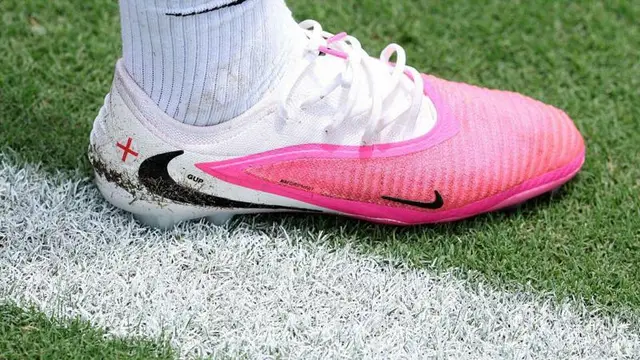
There was a time when football boots came in one colour - black. That has not been the case over the past quarter of a century or so, with all the colours of the rainbow coming to the party as the major brands have sought to stand out from the crowd. Yet at the 2026 World Cup, things appear to have come full circle, with players all back to wearing the same colour again - only this time it is pink. The key reason is because the top-selling global brands Nike, Adidas and Puma have all produced similarly-styled boots in similar hues for the showpiece event. That was evident during the opening match of the tournament between Mexico and South Africa in Mexico City, when almost every player on the pitch appeared to be wearing bright pink boots. Here is why it will be the dominant colour at the World Cup. Contact formContact formHow did brands know pink was 'in' for 2026?In the past, industry-leading brands such as Nike, Adidas and Puma have often favoured more understated black and white designs. But this summer their latest releases have been centred around standing out from the crowd through bold, vibrant colours. Back in 2024, consumer trend forecaster WGSN predicted 'Electric Fuchsia' would be one of the defining colours of the 2026 summer season. The company described "a vivid neon with a kinetic and digital quality" and a "luminous hue, sitting between pink and purple". Whether such a prediction resonated with the design experts at Nike, Adidas and Puma, we can't say. So is it a coincidence almost every major boot style is pink? When manufacturers begin to design new boots - a process that can start up to two years before release - they often consult trend forecasters such as WGSN to learn which colours, themes and styles are likely to be 'in' when the product eventually hits the shelves. But there are other factors as to why pink has been a hit in football. Of course, players are far more open to wearing extravagant boots than previous generations. But the simple reason the companies have hit upon pink is because of how it contrasts with the green of the pitch. It stands out whether you are watching on television, at the stadium, or scrolling on your phone. The pink boot shows up if you are looking at slow-motion clips, or watching under stadium lights. But the irony may be that, with so many manufacturers arriving at pink, perhaps it is more difficult for their designs to stand out? This article is the latest from BBC Sport's Ask Me Anything team.

Source: BBC Sport WC
Thu, 11 Jun 2026
Read story
Tartan Army feels the heat in Boston as World Cup kicks off

World Cup News

Tartan Army feels the heat in Boston as World Cup kicks off

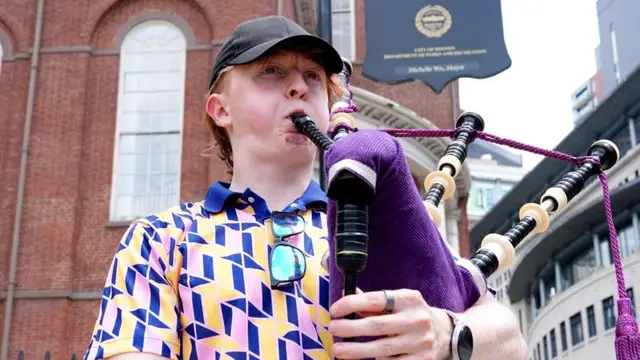
ShareSaveAdd as preferred on GoogleMegan BonarBBC Scotland, BostonThe Tartan Army is feeling the heat in Boston as plane-loads of fans continue to arrive in the city as the World Cup gets underway. Visitors are facing 31C temperatures, with the soaring heat expected to continue into Saturday when Scotland's men face Haiti in their opening match. Around 30,000 fans are expected in Boston for the fixture and city streets and bars are gradually filling up with kilts and Scotland tops. The tournament kicked off on Thursday night with the opening ceremony and first game between Mexico and and South Africa. Mexico, one of the three host nations, won the match 2-0. The atmosphere has been building at the Haven Bar - Boston's only Scottish pub - with a piper playing the US national anthem and extra Scottish beer shipped in. At one table are brothers Paul Flynn and Gary Collins, who have come together for the tournament. Originally from Glasgow, they now live thousands of miles apart in Australia and York. "There's a real air of anticipation, everyone is in a good jovial mood," said Gary "It feels like we're on the cusp of something special. "The tartan army has got a reputation and Boston is welcoming us well so far. "We've had people pulling over in the car just to say good luck." "Big" Jay Howard and his brother Ed Murray are in charge of security at The Haven. They have been given a crash course in Scottish culture. Jay told BBC Scotland News: "It blew my mind, I came in yesterday and then these guys were wearing these kilts and they just started singing for no reason. An American football fan, Jay said the crowd was very different to what he is used to. He added: "This is a whole new world for me. Bostonians are excited, the bars are booming and it's bringing a real buzz to the city." There have been some concerns about where Scotland fans will go in the city, with larger groups expected to arrive on Friday and Saturday. Boston's main fan zone is oversubscribed and a huge number of travelling fans do not have match tickets. Mayor of Boston, Michelle Wu, said her office was working on opening a "consumption area" for supporters. It is not clear whether it will be ready in time for Scotland's opening fixture with Haiti at 21:00 local time on Saturday. Many fans are just happy to be in Boston and soak up the atmosphere Jim Brown from Edinburgh said: "It's almost as good as at home. The beer has actually got a head on it here." "A lot of US cities don't have that feeling. I don't think Boston truly knows what is about to hit it." For Nikki Smith from Keith, a lost suitcase has been an unlucky start to the trip, but is not a bad omen for Saturday. He said: "My kilt is in the bag so and I don't have that and my contact lenses are in the bag so I can't see the game but we'll make it work." Meanwhile, dozens of other Scottish fans have reported issues with US travel permits being revoked at the last minute. On Thursday, Scottish Secretary Douglas Alexander said he was "making representations" on behalf of supporters who had problems with their Electronic System of Travel Authorisation (ESTA). Alexander said he had spoken to the British ambassador to the United States who is in touch with US authorities. He said: "Thousands of members of the Tartan Army have gone through the US visa system successfully, but we will continue to work with the US authorities to help resolve this issue as quickly as possible."

Source: BBC Sport WC
Thu, 11 Jun 2026
Read story
Catch up on the World Cup without any spoilers

World Cup News

Catch up on the World Cup without any spoilers

It is a dilemma plenty of people in the UK will be wrestling with over the next few weeks - stay up for the match, or catch up the morning after. But how do you find out what's happened overnight at the World Cup without any spoilers? Well, we are giving you the chance to do that via bbc.co.uk/nospoilers. This page will take you direct to a World Cup highlights page on BBC iPlayer, which will have highlights for every match without telling you who has won. It might give you a hint as to what's happened - if there has been a seven-goal thriller, for example - but we won't be giving you the winner or the result. We'll continue doing that as usual on the BBC Sport website and app and on the World Cup page on BBC iPlayer, but if you want to get your fix without knowing the scores first, head to bbc.co.uk/nospoilers. Add that page as a bookmark, and you can visit direct - allowing you to watch the highlights in blissful ignorance of what happens. If you're watching iPlayer on your TV, head to our World Cup destination page. Just don't come complaining to us if it means you've spent seven minutes watching highlights of a 0-0 draw...

Source: BBC Sport WC
Thu, 11 Jun 2026
Read story
England over-75s captain relishing Germany clash

World Cup News

England over-75s captain relishing Germany clash

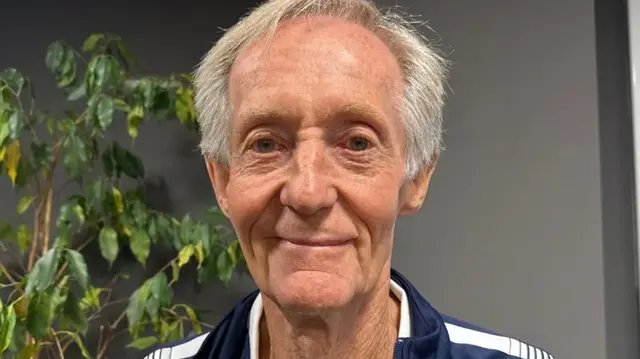
ShareSaveAdd as preferred on GoogleDan WareingChannel IslandsEngland's over-75s captain has described an upcoming match marking the anniversary of the 1966 World Cup final as the biggest of his career. Geoff Martel, 81, will lead the Silver Lions out at Oldham Athletic's Boundary Park stadium on 30 July to face Germany. Not only will it mark the 60th anniversary of England's 4-2 victory at Wembley, but it comes nine months on from the Veterans World Cup, where Martel's team finished runners up to Germany. Martel, who is from Guernsey, said he was confident his side would "give a good account" of themselves. "There's still a lot of things that we've got to do before the match, like make sure we're fully fit," Martel told BBC Radio Guernsey. "We played them two years ago down in Cardiff and we had a World Cup down there and we beat them semi finals. "Then when we played them out in Japan they were much better because it turns out they had several ex-Bundesliga players in their side." Martel said the Germans would be "wanting to cause an upset" and he had already been in touch with their manager. "We had a Zoom call with him and you can tell they are really up for it and, like me, he is considering this the biggest game he's been involved with." While it will be a full match of 90 minutes, Martel said it would not compare to the physical demands the squads getting ready to play the 2026 World Cup are set to face. "Tournament football is unbelievable difficult," he said. "They are fortunate because we don't have the physios and people working in the background that they do, but even then it's still very hard." He added: "We've been fortunate because we've been able to have the players together and I think we've got a very good squad." Follow BBC Guernsey on X and Facebook and Instagram . Send your story ideas to channel.islands@bbc.co.uk .

Source: BBC Sport WC
Thu, 11 Jun 2026
Read story
What history tells us about Scotland's World Cup openers

World Cup News

What history tells us about Scotland's World Cup openers

There is evidence to suggest why Scotland fans are heading into a World Cup opener against an 83rd-ranked nation with an equal sense of trepidation and excitement. Just say the names of Costa Rica or Peru and you will see a shudder go down the spine of any experienced member of the Tartan Army. With Sunday's (02:00 BST) encounter with Haiti ending a 28-year absence from football's grandest stage, BBC Scotland has been digging through the archives. So what does history tell us about the Scots' World Cup curtain-raisers? The rise and rise of 'Meatball' McGinn Goals from Peter Lorimer and Joe Jordan ensured a 2-0 success over minnows Zaire in West Germany - a result the Tartan Army would certainly sign up for this weekend. But it was a scoreline Willie Ormond's men ultimately went on to regret. Draws with Brazil and Yugoslavia meant Scotland failed to progress on goal difference. An unbeaten three-game sequence of one win and two draws would almost guarantee qualification for the knockouts under the more favourable current-day format. Not back then, though. "In hindsight we should have tried to score more goals," said former striker Jordan. "Looking at the big picture, it was a mistake. There was a bit of naivety in it. If that game had been our second or third, the scoreline might have been a little different." Four years later, manager Ally McLeod had the nation believing Scotland would win the 1978 World Cup. A squad loaded with top-level quality travelled to Argentina with almost 60 individual medals in its ranks - from champions of Scotland and England to European Cup and Uefa Cup winners. But next to no research was done on the opposition, with McLeod infamously turning down an offer of an all-expenses-paid scouting trip to Peru. The Peruvians beat Scotland 3-1 in their opening game in Cordoba, contributing to another early exit as the draw with Iran and memorable victory over the Netherlands that followed were not enough. Rowing boats & regrets - Scotland's undefeated 1974 World Cup campaign Scotland took care of bottom seeds New Zealand in their opener in Seville, with goals from Sir Kenny Dalglish, John Robertson, Steve Archibald and a John Wark double. It was the two they conceded that proved crucial, combined with a heavy 4-1 defeat to Brazil and a draw with the Soviet Union. Again, a repeat of those results in the US this month would very likely be enough for the Scots to make a historic progression to the knockouts, but the World Cup format was far more unforgiving in the past. Four years on and it was Sir Alex Ferguson who led the nation to Mexico. It was home time at the first hurdle again, though. Denmark, one of the best sides in Europe, awaited them in match one. Scotland were left to rue their profligacy as Preben Elkjaer Larsen's goal gave the Danes victory, before a defeat to West Germany and a draw with Uruguay. "I always thought the first game was the one," said goalkeeper Alan Rough. "We had to take something, especially with West Germany next." World Cup 1982: Stein, Narey, Brazil & being a cartoon character Against a Scotland side making their fifth consecutive appearance, the debutants made their mark, with Juan Arnoldo Cayasso's goal early in the second half deciding the game. "I remember the next day there was a headline somewhere of 'Stop the world, we want to get off' and it was all about how I should be sacked," said former head coach Andy Roxburgh. Scotland responded with victory over Sweden, but a narrow defeat to Brazil had them heading for the departure lounge. It was the Brazilians they would face in their next World Cup outing, opening the 1998 World Cup in France. Against a star-studded side, the Scots drew level through John Collins' penalty, but a slapstick own goal from Tom Boyd denied Craig Brown's men a precious point. A draw with Norway and a 3-0 defeat to Morocco came next. Of course, Brazil and Morocco feature in Scotland's 2026 World Cup group, 28 years on from their last showing on football's grandest stage. Steve Clarke will hope it is not a case of deja vu. But first, there is an opportunity to make a mark against Haiti. The Tartan Army have been scarred by past failures against favourable opposition, but cautious optimism is building that perhaps this time could be different. Everything you need to know about the World Cup

Source: BBC Sport WC
Thu, 11 Jun 2026
Read story
Fan at 1966 World Cup win follows England to US

World Cup News

Fan at 1966 World Cup win follows England to US

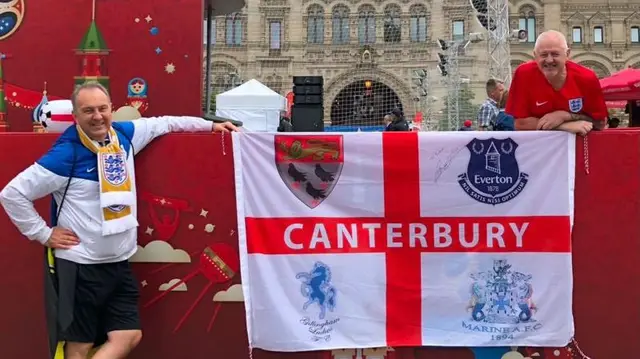
ShareSaveAdd as preferred on GoogleStephen BrownandDanielle Malgwi,South EastA football supporter who attended the 1966 World Cup final has travelled to the US in the hope of seeing England win this year's tournament. Dave Thompson, from Canterbury in Kent, has seen the Three Lions play roughly 150 matches over the last 60 years. Thompson, who was five years old when he saw England defeat West Germany at Wembley Stadium in 1966, said he believed England could win it again in 2026. But having attended matches consistently since 2010, Thompson said that this tournament would be his last due to rising costs. "It's not for fans anymore. This tournament has proved it," Thompson told BBC Radio Kent. "The ticket prices have put a lot of people off. They're avoiding the friendlies as well, so there's not been a great deal of atmosphere." In December, Fifa introduced a small number of "more affordable" $60 (£45) tickets for all 104 matches at the 2026 World Cup following criticism of its pricing structure for the tournament. Since then, the sport governing body's practices are being investigated by the attorney generals of New York and New Jersey for "artificially inflating prices" and "misleading fans". Thompson said that his trip, including travel and tickets, had cost him about £20,000. "I've been going to the tournaments since 2010, so I didn't want to stop," he said. He added that he did not want to "tempt fate" by not attending this year. Thompson said that he will only be attending England matches due to the cost, adding that he has tickets for the sides group stage matches so far. "It's not worth going to watch another team when you've got to pay five or six hundred dollars to watch a team that you're not really following," he said.

Source: BBC Sport WC
Thu, 11 Jun 2026
Read story
The rise and rise of 'Meatball' McGinn

World Cup News

The rise and rise of 'Meatball' McGinn

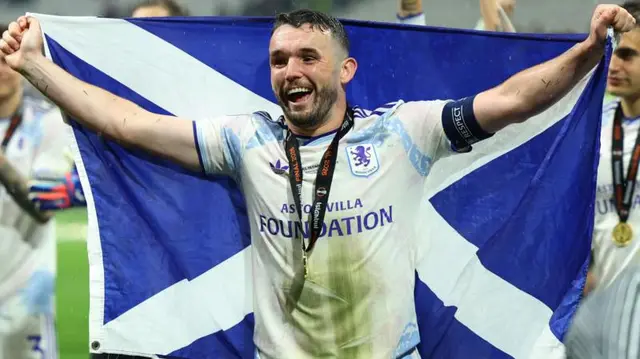
The rise and rise of 'Meatball' McGinn In the days following Unai Emery's appointment as Aston Villa head coach, captain John McGinn was north of the border catching up with some old friends. Some classic west of Scotland pessimism had set in. "He's going to think 'Who's this wee Scottish guy?'" he told his mates in a panic, fearing the worst about his place in how the Spaniard would reshape Villa. If he was to replay that scene in his head almost four years on, he would surely find it difficult not to chuckle at his own expense. McGinn lifted Villa's first major silverware in 30 years last month and the 31-year-old has just enjoyed his highest-scoring season at club level. It is the latest in a line of success stories McGinn has been integral to. At St Mirren he was part of their first cup triumph in 26 years while he played the full 90 minutes when Hibernian ended their 114-year wait for another Scottish Cup. He will feature in his nation's first men's World Cup match in 28 years on Sunday (02:00 BST) after playing a key role in back-to-back European Championship qualifications. Whatever jersey he has on, success seems to follow the all-action midfielder. It feels more like a direct relationship than pure coincidence. Defying the odds and hitting new heights has been the tale of a relentless ascent - although it is one that was a millimetre away from cruelly ending before it had really started. BBC Scotland charts the rise of a modern-day Scotland great, from Clydebank council pitches to football's grandest stage. Set up BBC Sport website and app to show you more Scotland this World Cup The chances of a youngster in the UK achieving their dream of making it in the professional game are lower than 1%, so it is quite something for McGinn and his two older brothers to have all managed it. Paul, a former postman, played at Queen's Park alongside Scotland internationals Andy Robertson and Lawrence Shankland. He is now captain of a thriving Motherwell side. His other older brother, Stephen, who also played for St Mirren, seems destined for a successful coaching career given the impressive work he has done as part of Falkirk's backroom team. His late grandfather, Jack, was Scottish FA president and Celtic chairman. His mum, Mary, taught her youngest son at school and even coached his school team. Born and raised in a working-class area on the outskirts of Glasgow, McGinn takes pride in the fact his rise has taken a different path from many Premier League players. He buzzed about the streets of Clydebank while his brothers tried to make their way in the game. 'No ball games' signs posed a problem - as they did for many 90s kids on west of Scotland council estates - but McGinn chose to rebel. Well, his mum did. After pestering the local council into submission, two sets of goals were hammered into a nearby patch of gravel where the McGinn brothers, extended family and friends could run wild. Without that persistence from mum, who knows where the careers of her sons would have gone, if anywhere. McGinn spent day and night dreaming of becoming Celtic great Henrik Larsson on that red ash pitch. Then it became Shunsuke Nakamura. But when Stephen broke into the St Mirren side, John had a new hero. Within minutes of the gates opening in Paisley, McGinn was sitting front row to see his big brother warm up. Watching those experiences drove him and, within a few years, he was in St Mirren's first team. "He was a revelation," said former manager Danny Lennon. "He wasn't the biggest, but he had the heart of a lion," added the ex-Buddies boss, who led the Paisley club to their 2013 League Cup triumph. McGinn thought his career had peaked that night, which ended with the youngster being carried out of a Glasgow pub and bundled into a taxi home. The idea that McGinn's career had hit its ceiling could not have been further off the mark, but he was lucky to have one at all two years later. A training-ground prank went horribly wrong when St Mirren team-mate Steven Thompson injured McGinn by piercing his thigh with a spiked pole. McGinn revealed he would have "bled out in a minute" had he been punctured a millimetre closer to his femoral artery. A breakthrough spell at St Mirren came to an end in 2015, and he joined a Hibs side then in the second tier after potential moves to Wigan and Houston Dynamo failed to materialise. He experienced Scottish Cup glory with Alan Stubbs, but his game went to a new level under Neil Lennon, who described McGinn as "the fulcrum" of his team. But the former Celtic boss knew how to give his star man tough love. Boasting the reputation of the Championship's top performer, Lennon told McGinn "you're not even the best player in your house" in the aftermath of a defeat to brother Stephen's St Mirren. He was later fined for taking a shortcut home by leaving Paisley with his family rather than travelling on the team bus back to Leith. McGinn was at a McDonald's drive-through when a furious Lennon phoned. With Stephen in the car with him, McGinn was told it was the "closest you've got to your brother all night". Kevin Bridges: In Search of the Beautiful Game Together with Scott Allan and Dylan McGeouch, Lennon's Hibs midfield became one of the most formidable in the country after their promotion back to the top flight. "Some of the games there would be boys on his shoulders trying to get the ball off him and he would never lose it," his former team-mate Allan tells BBC Scotland. "I was expecting him to be all action and a wee bit loose with the ball, but I was most surprised about how good he was technically. "That's not mentioned enough, but that's because you always see his fight and drive." In post-match father-son debriefs, Allan's dad had no problem letting his boy know he had underperformed. With McGinn, however, it was different, mainly because it rarely happened. "My dad would always say to me: 'John can't have a bad game, he's always involved'," Allan recalls. "And the way he uses his bum to protect the ball... I show my own son that when he's playing football. It's such a bizarre thing to say, but it's such a crucial tool." That ability to eliminate players using his backside to repel opposition players has become a trademark move. His physique had been questioned and he has conceded he is "no stick man" and "will never be ripped to shreds". He just wanted to be noticed for using his body "in a unique way" - and Villa did, paying £2.75m for his services as Celtic failed to stump up the cash. That now looks a colossal misstep from the Scottish champions, given the bargain McGinn has proved to be south of the border. Previous imageNext imageSlide 1 of 3, John McGinn, McGinn has been part of unprecedented success at each of his clubs, most recently winning the Europa League with VillaEnd of image galleryA crunching tackle at the Holte End against Wigan on his Villa debut endeared him to the support. His first goal, a wonder strike against Sheffield Wednesday, came a month later. He ended his first campaign in Birmingham by scoring the winner in the Championship play-off final against Derby at Wembley. It is poignant that the lad responsible for taking Villa back to the Premier League in 2019 went on to lift the Europa League as captain seven years later. He has become a legend at the club with more still to give, but it is his bubbly, larger-than-life character that sets him apart from most. When revealing to BBC Sport in 2022 why he was given the nickname 'Meatball', he said it was born from him having a "big, round head" with a buzzcut during his days at St Mirren. Last week, he was comfortable admitting to BBC Scotland that he had packed a European plug adapter for his summer trip to the US. McGinn does not take himself too seriously - possibly because he knows if he did that he would be brought crashing back down to earth by his grounded family and friends. "He's the same person he is now as he was back then," Allan adds. "That's a huge credit to himself and his parents." McGinn was called up and capped for his nation when playing in Scotland's second tier. That is rare. His ability helped earn him that, of course, but it was an off-field moment that Gordon Strachan noticed when spying on the Under-21s that told the head coach he was right for his squad. With the kit man struggling to remove equipment from the team bus, McGinn was the only player to offer a helping hand as his team-mates headed straight for the training pitch. "That told me right away what he is about - he looks after people," Strachan said. McGinn has recently received praise from fans for voicing concerns to Kevin Bridges about World Cup ticket and travel costs in a new BBC documentary. Those issues were brought up as McGinn waited for his full Scottish breakfast - with an "extra tattie scone" - being cooked up in his local Clydebank cafe. After 10 years, 86 caps and 10 goals, there is a scenario in which this man of the people retires as Scotland's men's leading scorer and most-capped player. He is 16 appearances off the record set by Sir Kenny Dalglish, whose joint landmark goals tally with Denis Law is 10 better than McGinn's. The problem he has as far as the caps milestone is concerned, is his captain Andy Robertson is above him and showing no signs of exiting the national side. Robertson's rise has rightly been given the fairytale treatment, but McGinn's is on a similar scale. McGinn is 31 but his story still has pages to fill. Another Champions League campaign is on the way in a Villa side buoyed by long-awaited silverware. First, however, there is a World Cup to savour. McGinn is a Harry Potter fanatic, but there is no fiction about the story of the boy from Clydebank who will in the coming weeks attempt to sprinkle more magic on the career of his dreams. Everything you need to know about the World Cup

Source: BBC Sport WC
Thu, 11 Jun 2026
Read story
Dalglish, Souness & Rod Stewart - Scotland's World Cup '86 remembered

World Cup News

Dalglish, Souness & Rod Stewart - Scotland's World Cup '86 remembered

On a veranda at the Scotland squad hotel, captain Graeme Souness is discussing the players he is trying to sign for Rangers. Manager Alex Ferguson is in his room mulling over interest from Arsenal and Tottenham. And thousands of miles away, Kenny Dalglish - the country's most-capped player - is sitting idle. To say the national team's Mexico 1986 campaign was infused with intrigue would be doing the dictionary a disservice. After all, this was a campaign in which the manager died in the dressing room before qualification was clinched. His replacement was the greatest the game has ever seen. Three future national team bosses were on bibs and cones duty. The player-managers of two of Britain's biggest clubs were named in the squad. As, belatedly, was a striker from European Cup finalists Barcelona. And the Scottish FA president almost sparked a diplomatic incident by labelling opponents "scum". Furthermore, in the build-up you had players drinking mudslingers with Rod Stewart, hanging out of stretch limos on Sunset Boulevard, appearing on Grandstand drunk and - apparently - heckling John McEnroe at the Australian Open. Scotland had set up that tie on a wretched night in Cardiff, their joy stolen by the death of Jock Stein in the immediate aftermath of a 1-1 draw with Wales. That left assistant Ferguson to take charge for the play-off, leading the side to a 2-0 aggregate win after a goalless meeting down under. Goalkeeper Alan Rough remembers "a right good carry on" on the flight home after a four-day trip that included a night out at a Scottish social club, intoxicated striker David Speedie having to be carried back to the hotel for a live BBC interview with David Coleman, and the same player passing out from sunstroke after a putting competition got a little too heated. Speedie would be excluded from Ferguson's squad for the finals, but it was the absence of another name that caused controversy. Alan Hansen had won the English double with Liverpool but failed to make the final 22, with the then-Aberdeen manager preferring Pittodrie partnership Willie Miller and Alex McLeish. "I don't think Alan had been playing much," says Miller. "I don't know if conversations were had but it's a long way to go if you're not starting." Within days, Hansen's close friend and Liverpool player-manager Kenny Dalglish - 35 and preparing for a fourth finals - withdrew with a knee problem. Some said the two events were not unrelated. Dalglish's place would be taken by Barcelona's Steve Archibald as the squad travelled to Santa Fe in New Mexico for an altitude training camp. Those involved speak fondly of those two weeks, which started with an irate Ferguson demanding the Scottish FA suits vacate their first-class seats on the plane for the players, and ended with an eventful two-day stay in Los Angeles. Winger Eamonn Bannon recalls scoring twice in a friendly against "Mickey Mouse local team" LA Heat before a reunion with his brother. Others tell conflicting tales about meeting with Rod Stewart... Miller believes his invitation got lost in the post; coach Craig Brown said Ferguson gave the players the night off on the condition they didn't go to a party at the singer's house; Bannon reckons a select group were permitted to show face and were a little worse for wear the next day. "It was fantastic," he says. "We never made Rod's house, though. We met him at some restaurant and he started making us mudslingers. Within an hour, we were all half cut and he disappeared. "Then a stretch limo turned up to take us home. There was a phone in it and I'll never forget wee Charlie Nicholas hanging out of the sunroof calling his maw in Maryhill while we were driving down Sunset Boulevard." After all that, Scotland were the last team to arrive in Mexico and took up residence in the middle of an Aztec heritage site. Miller describes it as "a wee bit more spartan" than the squad had grown accustomed to, while Bannon remembers a hairy police escort from the airport and "individual rooms that were like little caves with a tiny window". But the focus was on the opening game with Denmark. They might have been among the best in Europe but the Danes were also adept at the other side of the game, successfully hobbling Nicholas, whose selection with Paul Sturrock caused Archibald to storm out of a team meeting in a huff. As it was, the Scots were left to rue their profligacy as Preben Elkjaer Larsen's goal gave the Danes victory. "I always thought the first game was the one," says Rough. "You have to take something, especially with West Germany next." After impressing from the bench, Bannon started against Franz Beckenbauer's side in a game best remembered for Gordon Strachan's attempt to hurdle the hoarding after giving Scotland an early lead. Miller describes it as "like playing on a different planet"; Bannon remembers being unable to muster the energy to join the celebrations for Strachan's 18th-minute goal; while third-choice goalkeeper Rough "had the Ambre Solaire on" in the stands. Archibald had been restored to the XI, with Strachan playing off him. The ploy was designed to deceive the Germans, but it later emerged they had managed to watch a Scotland closed training session. "Wee Berti Vogts told us he tried to get in but was turned away," the late Brown previously said of the then Germany assistant and future Scotland boss. "But then he saw a guy going into the stadium to set up a Coca-Cola stall, so he took a shot of his uniform and barrow and rolled it in so he could watch." Two defeats in two games left Scotland needing to beat Uruguay to advance to the last 16 and Ferguson with a decision to make. Captain Souness, by then 33, had struggled with the heat and the altitude and, after a meeting of the coaches, it was agreed he would be left out. The manager went to the midfielder's room to break the news, which was apparently met without fuss. A couple of months before, it had been announced Souness would be leaving Sampdoria to revolutionise Rangers. A Rangers side that would threaten Ferguson's Aberdeen and a Dundee United team represented in Mexico by five players. Neither Miller nor Bannon recalls any tensions as a consequence, although the former suggests the dynamic had shifted given more than half the squad were Scotland-based, and the latter recalls whispered conversations between the captain and defender Richard Gough, who would arrive at Ibrox the next summer. "His room was two doors down from mine and I chatted to him a lot," says Rough. "He told me he was trying to sign Chris Woods and Terry Butcher, who were both in the England squad, and I just laughed. "But you could see he was really trying to learn about the Scottish game." Being confined to the sidelines for the final game with Uruguay would afford Souness further opportunity to do so, with seven domestic-based players in the XI. And they would face just 10 South Americans for almost the whole contest, after Jose Batista was dismissed inside a minute for assaulting Strachan. Bannon "didn't think wee Gordon was going to get up" after what Miller calls a "savaging", while Rough says such treatment extended to the Uruguay fans, who spat and threw coins at the Scotland bench. So incensed was Scottish FA president Ernie Walker, he told the global media that "we found ourselves on the field with cheats and cowards and we were associated with the scum of world football". None of that changed the fact Ferguson's side were unable to muster the goal that would have put them through. The best chance fell to Liverpool's Steve Nicol, but his effort was clawed clear and the Scots were out after a goalless draw. There would be further disappointment for Rough after he arrived home. An imposing hi-fi, bought "for a right few bob" by himself and room-mate Graeme Sharp, became the prize for the winner of a series of inter-squad games. Rough was the victor and lugged the device all the way home as a present for his son. "He was delighted," he recalls. "Then he plugged it in and it blew up." Goalkeepers: Leighton (Aberdeen), Goram (Oldham Ath), Rough (Hibernian) Defenders: Albiston (Man Utd), Gough (Dundee Utd), Malpas (Dundee Utd), McLeish (Aberdeen), Miller (Aberdeen), Narey (Dundee Utd) Midfielders: Aitken (Celtic), Bannon (Dundee Utd), Bett (Aberdeen), Cooper (Rangers), McStay (Celtic), Nicol (Liverpool), Souness (Sampdoria) Strachan (Man Utd) Forwards: Archibald (Barcelona), McAvennie (West Ham), Nicholas (Arsenal), Sharp (Everton), Sturrock (Dundee Utd)

Source: BBC Sport WC
Thu, 11 Jun 2026
Read story
How will the weather affect the opening games of the World Cup?

World Cup News

How will the weather affect the opening games of the World Cup?

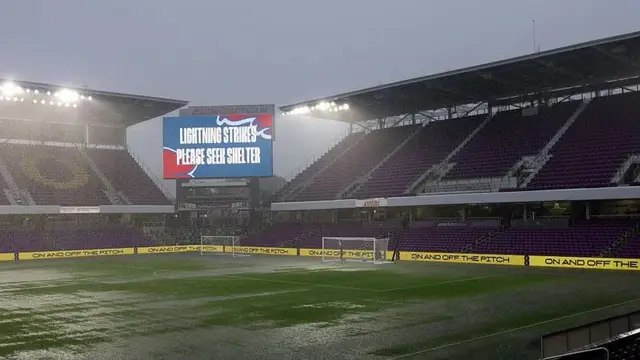
Storms causing delays to some of the warm-up matches this week have already shown how extreme weather will affect this World Cup. And with more storms forecast, some of the opening games are likely to be affected with the biggest risk to play coming by Monday. Scotland start their campaign in a pleasantly warm and dry Boston on Saturday night (Sunday morning UK time). Then for England, the Texas heat may be uncomfortable for fans leading up to their first match against Croatia in Dallas on Wednesday. For Thursday's opening match in Mexico City, it is likely it will be the altitude not the weather that players and fans will notice. How could extreme weather affect World Cup 2026? AttributionSportPublished9 hours agoOpening match in MexicoThe World Cup officially kicks off on Thursday afternoon (20:00 BST) in Mexico City. South Africa will be taking on one of the hosts Mexico. While the weather forecast shows showers, these shouldn't be particularly heavy. Temperatures will be around average of 23C (73F). Mexico City is however the highest World Cup host city, at around 2,200 metres above sea level. At this altitude the air is thinner and means that there is around 25% less effective oxygen per breath and therefore will have an impact on the players. Thinner air also means that the football will travel faster and further, have less curve and behave more unpredictably. On Monday, Saudi Arabia take on Uruguay at 18:00 ET in Miami where the temperature will be around 30C (86F). With high humidity forecast, it will feel more like 40C (104F). According to the heat index used by Fifa and other sporting organisations to measure how temperature affects the health and body of a person - called the Wet Bulb Global Temperature (WBGT) - a value of above 28C (82F) is widely considered the threshold at which heat stress becomes a significant concern for elite athletes. On Monday, the WBGT is forecast to be around 30C in Miami. This represents a high-risk or extreme environment at a level that Fifpro considers to be unsafe for play. Storms are also in the forecast. If they were to develop within eight miles of the stadium, the match would need to be suspended for at least 30 minutes. This allows players, officials and fans to seek shelter and stay safe from threat of being struck by lightning. Play can resume 30 minutes after the last lightning strike in the area. Texas is one of the hottest states in the US and England fans waiting for their team's first match to begin will be experiencing typical hot weather on Wednesday afternoon. Temperatures into the low thirties are expected and while it should be dry and sunny, there is a chance cloud cover could increase with a few showers. While no thunderstorms are currently forecast, the cloud cover and increased atmospheric moisture will raise the humidity. The 'feels like' temperature is therefore expected to approach 40C. However, the Dallas stadium is one of the World Cup stadiums with a retractable roof and air-conditioning. This will make it much more comfortable - and safer - for players and fans when inside the stadium during the game. Scotland's first game is against Haiti, taking place in Boston on Saturday evening local time - 02:00 BST on Sunday. While it will feel pretty warm with a temperature of around 25C (77F), this is typical for the time of year, and similar to a warm summer day in the UK. To see the latest weather for these and all other World Cup locations, check the searchable forecast here or use the BBC Weather app. How thunderstorms and lightning could impact games at World Cup

Source: BBC Sport WC
Thu, 11 Jun 2026
Read story
Where to watch the World Cup in Yorkshire

World Cup News

Where to watch the World Cup in Yorkshire

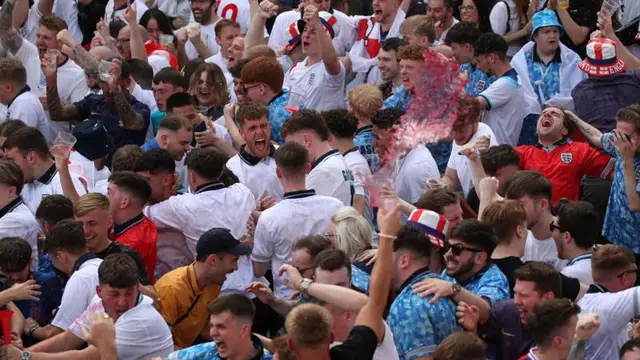
ShareSaveAdd as preferred on GoogleRichard BakerYorkshireThe largest ever FIFA World Cup kicks off later, taking place across the USA, Canada and Mexico. World Cup fever is well and truly here, with England looking to remedy 60 years of hurt and 47 other countries looking to stop them. Whilst you could watch all 104 games from the comfort of your own home, there are venues all over Yorkshire showing the action from across the pond. In Leeds, The Brotherhood of Pursuits and Pleasures is aiming to show all 104 games live - from the group stages to the final in New Jersey on 19 July. Fans can watch the action across more than 25 screens amongst "packed-out crowds and an electric matchday buzz" in their city centre venue on New Briggate. The venue will show the 01:00, 02:00 and 03:00 GMT kick off matches with its late licence running until 03:00. Owner Seema Dhiman said they would determine how popular the 05:00 matches are before applying for a later licence and the possibility of staying open until the early morning. For England and Scotland's group stage games - live musicians, playing themed music will add to the atmosphere. Dhiman said: "We're a sports bar through and through. When I set up The Brotherhood, it was about sport and nothing else. It'll always come first." Despite the challenges of hosting all 104 games, Dhiman insisted there was no other option. "It wasn't even a decision, it's just what we do," she added. Dhiman said her Leeds venue sold out of tickets for England and Scotland's matches two months ago. An estimated 55 million additional pints are likely to be poured if England make it to the World Cup Final, according to the British Beer and Pub Association (BBPA). James Hawkins from the BBPA said the the trade body had been working closely with the government to allow pubs to open during matches into the night. Last month, the association said 161 pubs closed in the first three months of the year across England, Scotland and Wales, equating to the loss of about 2,400 jobs. Earlier this year, the government announced business rates support for pubs after warnings from the sector that further tax changes could lead to more closures. The 15% tax relief for pubs and music venues came into effect in April. Elsewhere, the 02 Academy in Leeds will be staging a large fan park for England's group stage games, hosted by 4TheFans, who claim to be the biggest fan park organisers in the country. Tickets start at £5, whilst a table ticket is also available for £20. Those with more hope than others can buy a ticket for the knockout games already - with a money-back guarantee. At the West End Gold Club in Halifax, their 1906 Club House will be showing the Three Lions in action. The club house will offer free entry alongside drinks and snacks, and if the action on the screens isn't running to script - they are putting on a sweepstake with a chance to win a free "bucket of beer" to keep spirits high. It may be the summer break, but Huddersfield Town will reopen the doors of their Accu Stadium , this time for England's games. Fans can watch the action on big screens in their H Town internal fan zone, with doors open two hours before kick-off. Under 12s go free, whilst adults tickets are priced at £5 to cheer on the Three Lions in their 750-capacity room. Kapital Beer Hall & Restaurant in Sheffield will also be showing every game live across big screens over two floors alongside a pre-match DJ. With its 300-person capacity, the venue is one of the largest in Sheffield to show the football and will offer fans a "European beer hall experience", organisers say. No booking is required but, naturally, arriving early for England's matches is recommended. Many say football is more art and theatre than sport, so fittingly Rotherham's historical Empire Theatre will be screening all England's group fixtures. The theatre, which opened in 1913 and recently underwent restoration, will offer free tickets for the games, whilst fans can take advantage of the two-pint pitchers on sale once inside. Penistone Church FC , the non-league club where England's John Stones started his career, will also be showing the action. The departing Manchester City defender, also known by the nom de plumes of "Penistone Pirlo" and the "Barnsley Beckenbauer" played for PCFC before being scouted by the Tykes. They will be showing the football on several large screens in their clubhouse. The Lysander Arms in York is also promising to show all 104 World Cup games at their pub, complete with a beer garden. The action will be spread across five screens and walk-ins are welcome too. Food from their outdoor Burger Shack and Pizza Oven is also available. Across the city, cocktail bar Manahatta are putting on a two-hour bottomless brunch for all of the three England group stage matches. Fans have to order a main meal to enjoy the bottomless drinks during the game, whilst a live DJ will keep the music flowing behind all the sporting action. Domestic interest in the World Cup starts first with Scotland, who face Haiti in their opener, whilst England's first group match will see them face Croatia (All times BST). Listen to highlights from West Yorkshire on BBC Sounds , catch up with the latest episode of Look North .

Source: BBC Sport WC
Thu, 11 Jun 2026
Read story
Scotland have chip on shoulder in search of history

World Cup News

Scotland have chip on shoulder in search of history

Ryan Christie was the last Scotland player to touch the ball at Euro 2024. He brought it down, was dispossessed, then referee Facundo Tello blew his whistle before he had the chance to take the throw-in against Hungary. It was familiar agony again for Scotland, their exit confirmed by a 1-0 defeat to a 100th-minute goal. Deflation and disappointment was etched on the players' faces, while the Tartan Army were devastated in the Stuttgart stands. It is hurt the squad are still carrying two years on as they enter their first World Cup in 28 years. "A few of us left that thinking 'what could have been'," Christie said on The Wayne Rooney Show. "So I think this time we've got a bit of a chip on our shoulder that we are going to do something at this tournament. "We are absolutely desperate to be the first team to get out of the group stage, take that extra step and create a bit more history." Two years ago Scotland faced hosts Germany in the tournament opener, a 5-1 defeat that Christie vividly recalls as a "humbling" experience. It's one he points to when discussing the Scots' Group C schedule and rounding it off with the "iconic" game against Brazil. "Everybody's at the World Cup on merit, so there are no easy games," the Bournemouth midfielder said. "I don't think we're expecting that. "But it gives us the chance to get off to a good start. You probably look at the group and that's the easiest on paper. "You'd rather face them than Brazil first. I know that from facing Germany at the opening of the last Euros. That was a humbling experience. "I'm still having nightmares about that. But hopefully we can learn from that experience and start this one a bit better." Scotland's Super Mario and social butterfly who emerged from Man Utd cocoon It's down to the standards set by Christie, his team-mates and head coach Steve Clarke - who "completely changed the set-up" of the national team. "When I first joined international football, I know I was a bit younger and probably a bit quieter, but I was counting down the days until I could go back home," the 31-year-old explained. "It's the polar opposite now. If we're meeting up on a Monday, everyone flies up on the Saturday night to spend an extra day with each other - it's brilliant." Key to that is the trust Clarke has in his players. Most know he's as loyal as they come on the pitch, but off it is as important for Christie. "He puts a big amount of trust in us in terms of if we have a day off and play golf or something, there's full trust that we're not going to take advantage," he added. "Boys that are going to the World Cup now have been on a journey of five, six, seven years with the manager. "I think after the Denmark game was one of the rare times I've seen him properly smiling and enjoy himself a little bit, which was cool to see. For us as players, we knew how much it would mean to him to tick that off his list. "For me, he's got to go down as one of the great, great Scottish managers of all time." Everything you need to know about the World Cup

Source: BBC Sport WC
Thu, 11 Jun 2026
Read story
'My dad helped England win the World Cup'

World Cup News

'My dad helped England win the World Cup'

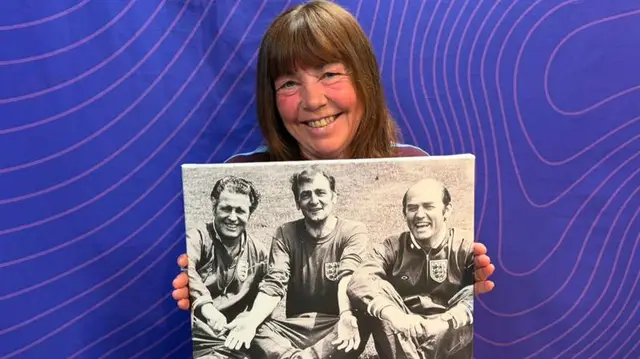
ShareSaveAdd as preferred on GoogleJames McClairWest MidlandsKicking off their World Cup campaign against Croatia, England are hoping to become world champions for a second time and end 60 years of hurt. But the man who was responsible for tending to any pain for players before they lifted the Jules Rimet trophy hailed from Malvern, Worcestershire. Dr Neil Phillips, who died in 2015 aged 83, was the team doctor for the famed 1966 winning squad and worked with stars like Bobby Moore and Sir Geoff Hurst. "He was so proud to be doctor to the England football team," his daughter Annie Onions recalls ahead of this summer's tournament in North America. "What amazed him when he was on the pitch in 1966 before the final [was that] he was from Wales, his favourite sports were cricket and rugby, he spent six months doing gynaecology as part of his training, and he ends up doctor to the England World Cup team." "It was always a pinch me moment [for him] standing there on that pitch and being part of it," she added. Phillips' role landed him an appearance on Top of the Pops alongside the Three Lions squad when their World Cup song, 'Back Home', shot to fame four years on from their World Cup triumph. His bond with England skipper Moore was one of the highlights of his stint with the national team. Onions said she remembered trips to the West Ham legend's leather factory in London during her childhood whenever the family visited the capital. "I had a bright red waistcoat in suede with all the tassels at the bottom," she said. "From a very early age I was in love with Bobby Moore, I thought he was the greatest thing in the world and going there was just fabulous." However, the job did not come without challenges, particularly as part of a small team, with Phillips even having to use his holiday allowance to tend to the team during competitions. "Now when they go to the World Cup, they have this whole entourage of psychologists and physiotherapists," Onions said. "Then it was just Sir Alf Ramsey, my dad and Les Cocker – that was it." Speaking to the BBC in 2010, Phillips was intent on the secret to England's one and only victory on the world stage. "I know how we did it, and it was all due to one man - Alf Ramsey," he said at the time.

Source: BBC Sport WC
Thu, 11 Jun 2026
Read story